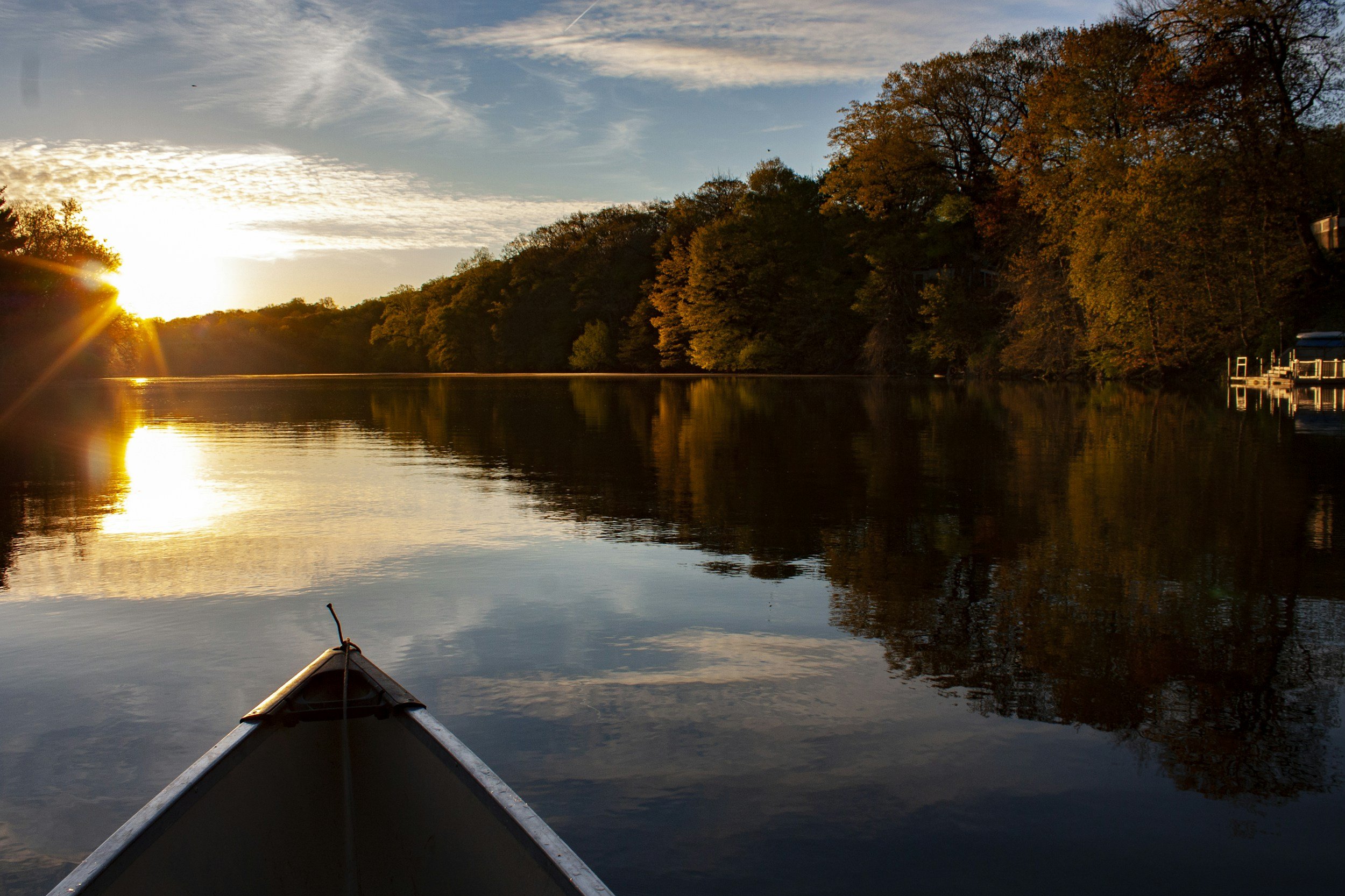
Places to visit in south eastern Michigan for outstanding photography opportunities.
Fall Wildlife Photography at Kensington Metropark
Wildlife, fall color, and photography on the Wildwing Trail
Kensington Metropark in southeast Michigan is one of my favorite places to photograph wildlife, especially in the fall. The combination of changing autumn colors, wetlands, woods, and Wildwing Lake creates a great variety of photographic opportunities in a relatively short walk.
One of my favorite walks is the Wildwing Trail, which follows a loop around Wildwing Lake. The trail is approximately 1¾ miles and offers a nice mix of wooded areas, wetlands, shoreline, and open views across the lake.
Park & Trail Maps
These maps are useful to have before heading out, especially if you want to combine the Wildwing Trail with some of the nearby nature trails.
What Makes Wildwing Trail Special for Fall Photography?
The Wildwing Trail is a particularly enjoyable fall photography destination because you can photograph several different types of wildlife without having to cover a long distance.
As you walk through the woods, keep an eye out for woodpeckers, chickadees, titmice, nuthatches, cardinals, blue jays, and other songbirds. The changing leaves also provide a beautiful background for smaller birds, making fall an excellent time to work on close-up wildlife portraits.
The wetlands and lake provide a completely different photographic environment. Great blue herons, waterfowl, sandhill cranes, and other wetland birds can be found around Wildwing Lake.
One of my favorite subjects on this trail is the sandhill crane.
Sandhill cranes are often found on the trail in small groups of three or four. They are relatively accustomed to people, which can provide opportunities to get close enough for some fantastic photographs while still allowing the birds to behave naturally.
They can be found around Kensington during the spring, summer, and fall, with their presence continuing into the fall until migration.
When photographing cranes, I like to watch their behavior rather than simply taking portraits. Look for opportunities when they are walking, calling, stretching their wings, interacting with each other, or flying. A group of cranes can also make a great environmental photograph when you include the surrounding autumn landscape.
Fall Migration
Fall is also an exciting time to visit because of bird migration. As the season progresses, the number and variety of birds using the park can change.
While the larger birds such as cranes and herons are easier to spot, don't overlook the smaller birds. The woods can be especially productive for chickadees, titmice, nuthatches, woodpeckers, and migrating songbirds.
The Wildwing boardwalk and wetland areas are also worth spending some extra time exploring. Instead of simply walking the loop, stop occasionally and watch the vegetation and shoreline. Small birds and marsh species can appear when you least expect them.
One of the advantages of photographing at Kensington is that you don't necessarily have to find a rare species to come home with a good photograph. The combination of wildlife and fall color can turn a common bird into an excellent image.
Camera Settings & Photography Tips
When walking around Kensington with my camera, I typically use either shutter-priority or aperture-priority mode. With my Sony a6700 and 70–350mm lens, this gives me a flexible combination for photographing everything from small songbirds to larger wildlife such as sandhill cranes.
The 70–350mm focal range works particularly well on the Wildwing Trail. At the shorter end, I can include more of the surrounding fall landscape. At 350mm, I have enough reach to isolate birds and other wildlife.
Shutter Priority
For moving wildlife, I often prefer shutter priority.
A faster shutter speed helps freeze movement and is particularly useful when photographing birds that are walking, taking off, or flying.
For birds in flight, I would generally start around 1/1600 to 1/2500 second and adjust from there depending on the light and how quickly the bird is moving.
For a stationary bird, you can slow the shutter speed considerably, especially when there is good light and the camera is steady.
Aperture Priority
Aperture priority is useful when I want more control over the look of the photograph.
Opening the aperture can help separate a bird from a distracting background. This can work particularly well with songbirds in the woods, where there may be branches and leaves behind the subject.
On the other hand, stopping down slightly can provide more depth of field when photographing larger subjects such as sandhill cranes or when I want several birds in a group to remain sharp.
Don't Forget the Background
One of the best things about fall photography at Kensington is the opportunity to use the autumn landscape as part of the photograph.
Instead of always filling the frame with the bird, try backing off and including some of the yellow, orange, and red foliage. A sandhill crane standing along the edge of Wildwing Lake can make a much more interesting photograph when the surrounding fall landscape is part of the composition.
The same approach works with smaller birds. Look for clean backgrounds, colorful leaves, reflections, and interesting branches.
Best Time to Photograph
For wildlife photography, I prefer early morning, particularly during the first few hours after sunrise. Wildlife tends to be active, the light is softer, and the park can be quieter.
Early fall mornings can also provide beautiful reflections on Wildwing Lake and, on the right day, mist or atmospheric conditions over the water.
Late afternoon can provide another good opportunity, especially when the lower-angle sunlight illuminates the autumn foliage.
If you're primarily interested in songbirds, spending more time in the wooded sections can pay off. For cranes, waterfowl, and other larger birds, spend some extra time around the lake and wetland areas rather than simply walking through.
My Fall Wildlife Photography Checklist
When I head out to the Wildwing Trail in the fall, these are some of the subjects I would have on my photography list:
Sandhill cranes
Great blue herons
Fall waterfowl
Woodpeckers
Black-capped chickadees
Tufted titmice
White-breasted nuthatches
Blue jays
Northern cardinals
Migrating songbirds
Bald eagles
White-tailed deer
Wild turkeys
Eastern gray squirrels and chipmunks
Not every visit will produce every species, of course. That's part of what makes wildlife photography interesting. Each walk can be different depending on the weather, time of year, and migration.
Take Your Time
One of the biggest pieces of advice I would give anyone photographing the Wildwing Trail is don't rush.
It's tempting to walk the 1¾-mile loop simply to complete the trail. But if you're there primarily to photograph wildlife, slowing down can make a big difference.
Stop at good viewing areas. Listen for birds. Watch the trees and shoreline. Scan the lake before moving on. Sometimes the best photograph comes after you've been standing quietly in one spot for several minutes.
And don't be afraid to photograph the environment as well as the animal. Fall at Kensington is about more than just finding wildlife—it's about combining wildlife, autumn color, water, and the surrounding landscape into a photograph that captures the experience of being there.
For me, that's what makes the Wildwing Trail one of my favorite places for fall wildlife photography in southeast Michigan.
Plan Your Visit
Before heading out, I recommend checking the current Kensington Metropark information and downloading the trail maps.
Kensington Metropark:
https://www.metroparks.com/kensington-metropark/
Kensington Park Map:
https://www.metroparks.com/wp-content/uploads/2024/04/2024KensingtonParkMap.pdf
Kensington Nature Center Trail Map:
https://www.metroparks.com/wp-content/uploads/2025/05/Kensington-Nature-Center-Trail-Map.pdf
Bring your camera, a telephoto lens, and plenty of patience—and keep an eye out for those sandhill cranes. You never know what might be waiting around the next bend.